Philadelphia tech firms are turning corporate transportation into a competitive advantage, transforming wasted commute time into productive work hours while improving employee satisfaction.
Share:

Summary:
The numbers tell a clear story. Philadelphia ranks 13th globally as the best place to start a company, with the region’s focus on life sciences, AI, big data, and advanced manufacturing drawing talent from across the country. But here’s the problem: that talent doesn’t always live within walking distance of your office.
Traffic on the Girard Point Bridge. SEPTA delays. Parking that costs more per month than some people’s car payments. The average Philadelphia commuter spends over $1,300 annually just on gas and maintenance, and that doesn’t account for the time lost or the stress that follows them into your office.
Smart companies aren’t ignoring this anymore. They’re treating transportation as infrastructure, the same way they’d invest in reliable internet or quality office space. Because when your team spends two hours a day just getting to and from work, you’re not competing on salary alone. You’re competing on quality of life.
Here’s what changes when you stop thinking of the commute as dead time.
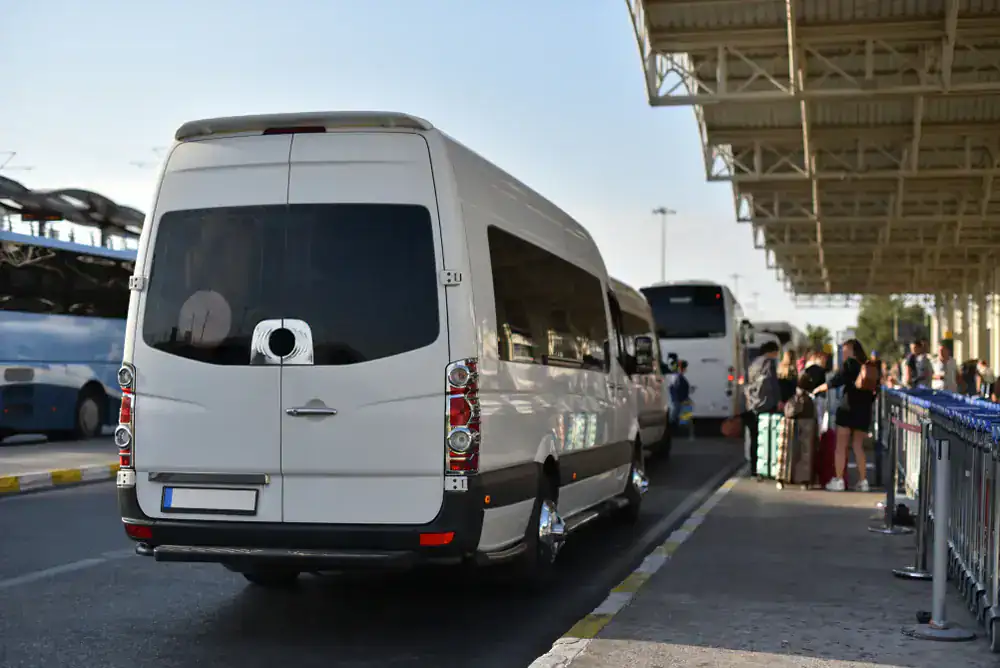
A corporate shuttle with WiFi, power outlets, and a quiet environment isn’t just transportation. It’s a mobile office. Your team can review presentations before a client meeting. They can respond to emails that would otherwise pile up. They can join video calls or finish the report that’s due at 9 AM, all while someone else handles the traffic.
Companies that provide employee shuttle solutions report something interesting: their teams arrive at the office already in work mode. Not frazzled from fighting for parking. Not drained from an hour of stop-and-go traffic. They’re mentally prepared, caught up on correspondence, and ready to contribute from minute one.
The cost of replacing an employee runs between 25% and 150% of their annual salary when you factor in recruiting, training, and lost productivity. If a shuttle program keeps even one key employee from leaving because the commute became unbearable, it’s paid for itself. And the companies doing this well aren’t losing one employee. They’re keeping entire teams intact while competitors struggle with turnover.
This isn’t about being nice. It’s about recognizing that your team’s productivity doesn’t start when they walk through your door. It starts the moment they leave their house. And if that time is spent in a vehicle where they can actually work, you’re gaining hours every single week that your competitors are losing to traffic.
Your executive has back-to-back meetings across the city. One in University City at 9 AM, another in Center City at 11, and an airport run for a 2 PM flight. There’s no margin for error, and parking alone could derail the entire day.
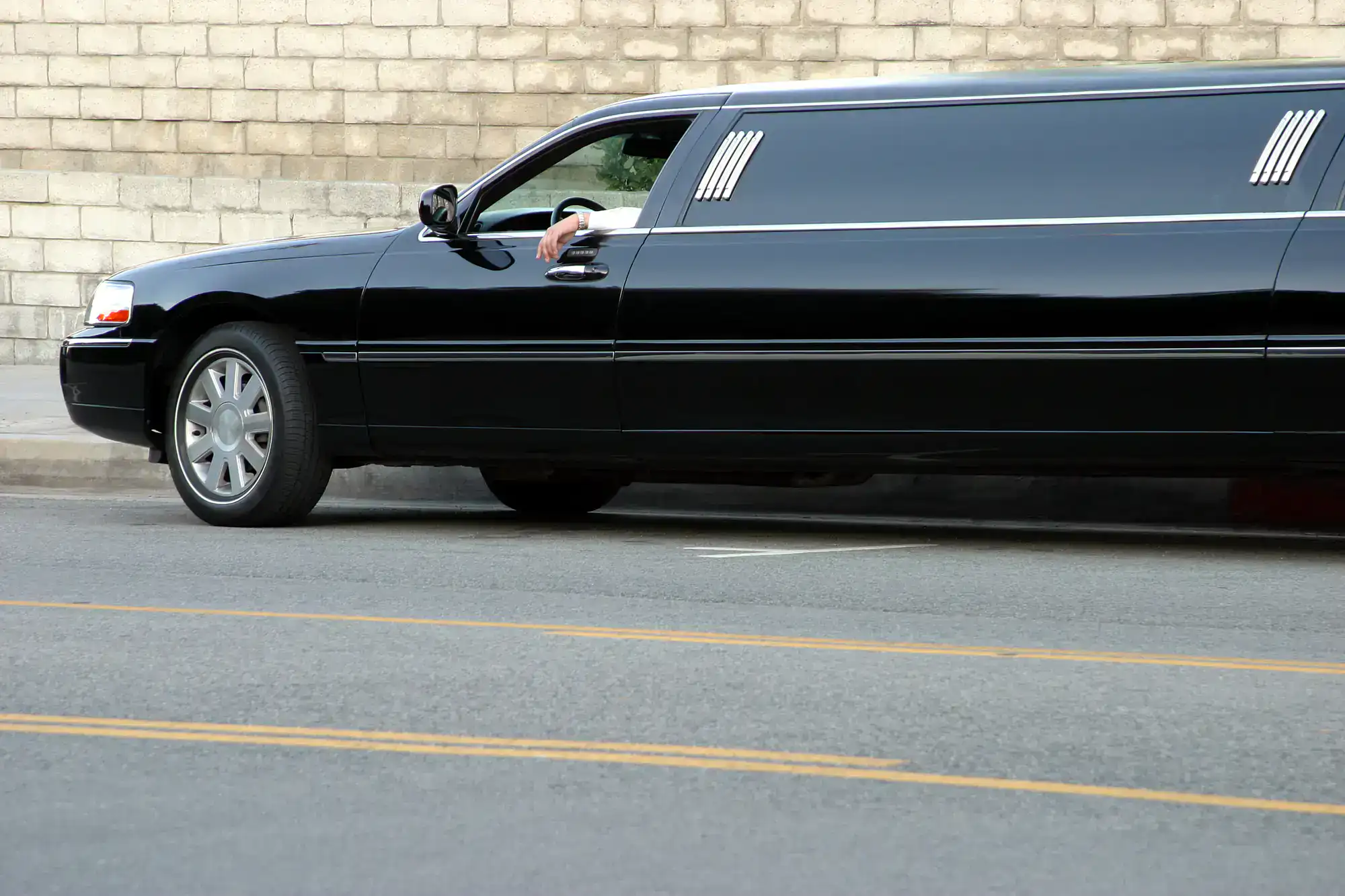
This is where executive car service stops being a luxury and starts being logistics. A professional chauffeur who knows Philadelphia’s traffic patterns, has been background-checked and trained in corporate etiquette, and monitors flight times in real-time isn’t just driving. They’re managing a critical piece of your business operations.
The difference shows up in small ways that add up. Your executive isn’t circling for parking. They’re reviewing notes for the next meeting. They’re not stressed about making it to the airport on time. They’re on a call closing a deal. They’re not wondering if the ride-share driver knows where they’re going. They’re working, because the transportation piece is handled by someone who does this professionally.
Black car service for executives also sends a signal. When a client or potential investor is picked up in a clean, professional vehicle by a chauffeur who’s on time and courteous, that’s a reflection of how your company operates. First impressions matter, and transportation is often the first physical interaction someone has with your organization.
Companies like Comcast and other major Philadelphia employers understand this. They don’t leave executive transportation to chance because they can’t afford to. The cost of a missed meeting, a delayed pitch, or an executive who arrives flustered and unprepared is exponentially higher than the cost of reliable car service. And for growing tech firms trying to compete with those established names, matching that level of professionalism in every detail including transportation is how you close the gap.
Want live answers?
Connect with a Philadelphia Car & Limo expert for fast, friendly support.
The challenge most Philadelphia companies face isn’t unique. Your team is spread across the suburbs, some in Delaware County, others in Montgomery County, a few out in Bucks County. They all need to be in the office at roughly the same time, and they’re all dealing with the same traffic, the same parking shortage, the same exhausting commute.
An employee shuttle program solves this by consolidating routes. Instead of 20 employees each driving separately and each arriving stressed and late when traffic hits, one vehicle picks them up at strategic points and delivers everyone on time. The parking problem disappears. The stress drops. And the commute time becomes something other than wasted hours.
The companies seeing the best results from shuttle programs are the ones who customize the service to their actual needs. That might mean routes from SEPTA stations for teams coming in from the city. It could be pickups from suburban park-and-ride lots. Some companies run shuttles between satellite offices, making it seamless for employees who need to be in multiple locations throughout the day.

The difference between a shuttle that just moves people and one that actually boosts productivity comes down to what’s inside the vehicle.
WiFi isn’t optional anymore. Neither are power outlets. Your team needs to stay connected, and if they’re spending 30 to 60 minutes on a shuttle, that time should be usable. Some of the more forward-thinking companies are outfitting their corporate transportation with features you’d expect in a conference room: charging stations at every seat, tables for laptops, even whiteboards for teams who want to brainstorm on the way to a client site.
This is the mobile office concept, and it’s not theoretical. Executives are already using it for roadshows, where they travel between multiple cities for investor meetings or client pitches. Between stops, the vehicle becomes their workspace. They debrief with their team, prepare for the next presentation, and maintain momentum without losing an hour to “travel time.”
For daily commuters, the impact is less dramatic but more consistent. Instead of arriving at the office needing to catch up on emails, they’ve already handled them. Instead of feeling behind before the day starts, they’ve used the commute to get ahead. That shift in how the day begins changes everything about productivity and morale.
The cost of lost productivity due to travel-related stress averages $662 per business trip. Multiply that across your team and across a year, and the ROI on transportation that reduces that stress becomes obvious. You’re not just moving people. You’re protecting the productivity you’re already paying for.
Here’s a question most tech companies don’t ask until it’s too late: How many qualified candidates have you lost because your office location wasn’t accessible to them?
Not everyone lives in Center City. Not everyone wants to. And if your company is in a location that requires a car, a long SEPTA commute, or a combination of both, you’re automatically excluding talent who don’t want to deal with that daily.
Employee shuttle solutions expand your hiring radius. Suddenly, you can recruit from areas you couldn’t before because the commute isn’t a dealbreaker. You can attract candidates who have the skills you need but live 40 minutes away, because you’re offering transportation that makes that commute manageable.
The retention side is just as important. When an employee starts looking at other opportunities, the commute is often a factor. If a competitor offers remote work or a closer office, and you’re asking your team to sit in traffic for two hours a day, you’re at a disadvantage. But if you’ve removed that pain point by providing reliable transportation, you’ve eliminated one of the biggest reasons people leave.
Companies offering shuttle services report something else: higher morale. It’s a visible signal that the company values employees’ time and wellbeing. That matters more than most leadership teams realize. A survey found that 75% of employees said they’d feel more motivated to come to the office if their employer offered transportation benefits. That’s not a small number. That’s three out of four people saying transportation directly affects their willingness to show up.
Philadelphia is about to see an influx of visitors and business activity with major events coming in 2026, including World Cup games and the city’s 250th anniversary celebration. The companies that have their transportation infrastructure figured out now will have a significant advantage when the city gets even more congested and competitive.
Corporate transportation isn’t about adding a perk to your benefits package. It’s about solving real problems that cost your company money and productivity every single day.
The commute problem isn’t going away. Traffic in Philadelphia is getting worse, not better. SEPTA fares keep rising. Parking remains expensive and scarce. And your competitors are already figuring out that the companies who solve this for their teams have an advantage in recruiting, retention, and daily productivity.
Whether it’s executive car service for your leadership team, shuttle solutions for daily commuters, or black car service for client meetings and airport transfers, the investment pays for itself in reduced turnover, improved productivity, and the ability to attract talent from a wider geographic area.
We work with tech companies and enterprises across the tri-state area to build transportation solutions that fit actual needs, not generic packages. If your team is spending hours in traffic when they could be working, or if you’re losing candidates because the commute is a barrier, it’s worth a conversation about what reliable corporate transportation could change for your business.
Article details:
Share:
Continue learning: