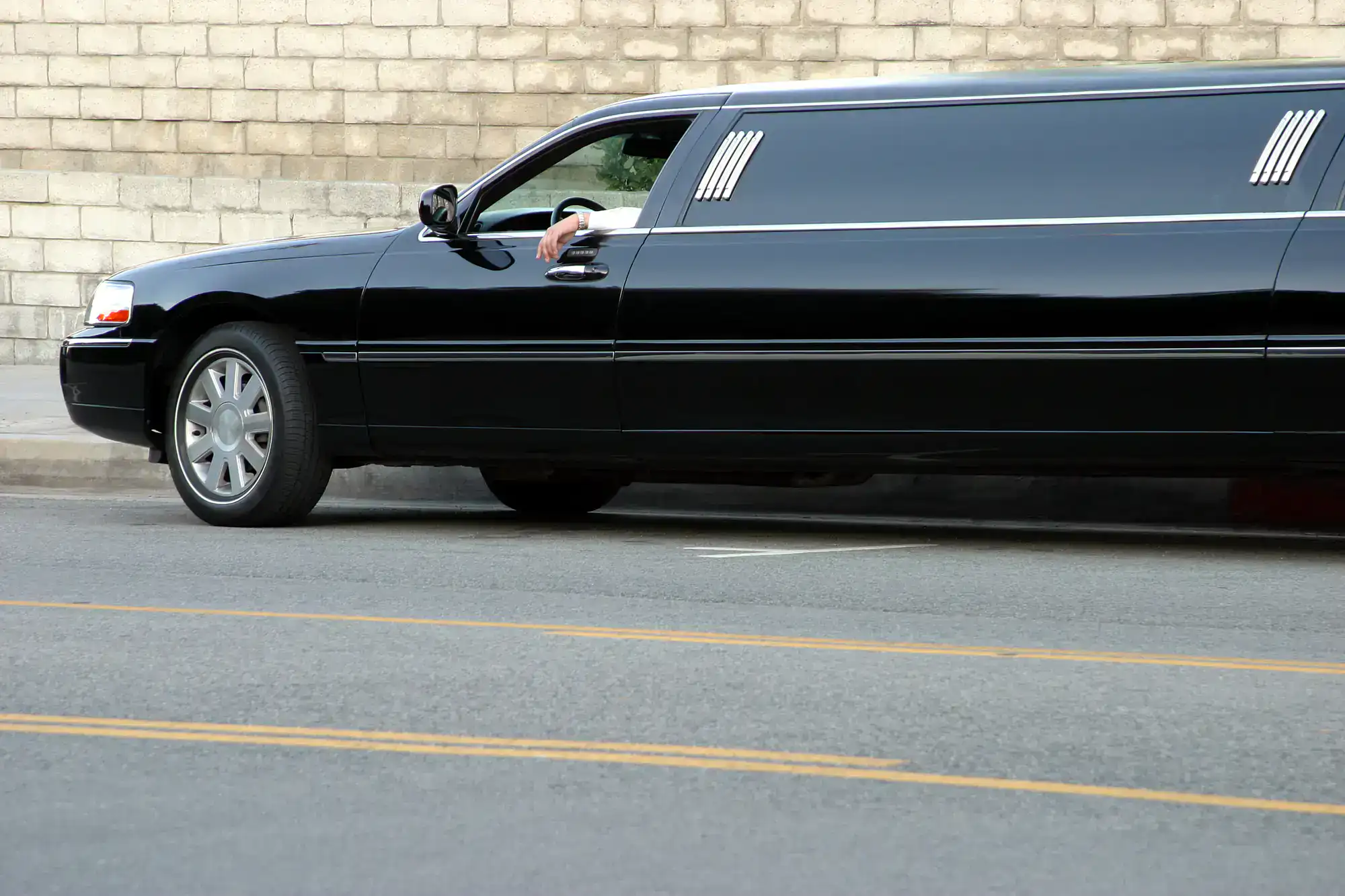
Executive car service eliminates transportation friction for business professionals in Nassau County who need guaranteed punctuality, professional chauffeurs, and vehicles that match the corporate context.
Share:

Summary:
Your client’s flight just landed at JFK. The pickup you arranged should be waiting. Should be. But you’ve been burned before by rides that showed up late, drivers who couldn’t find the terminal, and vehicles that didn’t match the professional context you promised.
Business transportation creates problems or solves them. There’s not much middle ground. Executive car service exists for situations where timing matters, image counts, and you can’t afford to wonder whether the logistics will actually work. This piece shows you exactly what professional service delivers, when it makes sense for your business, and how to spot providers who have their operations figured out versus those just running black cars.
Executive car service is scheduled professional transportation designed around business requirements instead of consumer convenience. You’re booking guaranteed pickup times, vetted chauffeurs who understand corporate protocols, and vehicles maintained to standards that eliminate the reliability issues common with casual ride options.
The difference starts before the vehicle arrives. Professional service confirms details in advance—pickup location, flight information, special requirements, contact protocols. When your executive lands in Nassau County after a cross-country flight, the chauffeur is already positioned and tracking the arrival in real time. No guessing. No waiting in rideshare queues. No scrambling when plans shift.
This model serves business travelers who can’t absorb the cost of transportation failures. Corporate teams coordinating executive visits. Law firms managing partner travel. Companies hosting clients where the pickup experience reflects directly on the business relationship.

The gap between executive transportation and app-based rides becomes obvious in three areas: reliability structure, service accountability, and professional standards.
Ride apps operate on availability and algorithms. You request a car and hope someone nearby accepts. During peak hours around Garden City or Manhasset business districts, that gamble gets expensive. Surge pricing hits. Wait times extend. Vehicle quality varies wildly. You might get a clean sedan with a professional driver, or you might get something that makes you apologize to your passenger.
Professional executive car service eliminates that variability through advance scheduling and dedicated fleet management. The vehicle is assigned days before your trip. The chauffeur knows your itinerary and has planned the route accounting for traffic patterns between Nassau County and Manhattan, or the most efficient path from your office to JFK during morning rush hour. If your meeting runs late, one call adjusts the pickup time without starting the booking process over.
Service standards reflect the business context. Professional chauffeurs undergo background checks, drug screening, and ongoing driving record monitoring. They’re trained in corporate etiquette, client interaction, and discretion around confidential conversations. They dress appropriately. They handle luggage professionally. They know when to engage and when to stay quiet.
Vehicle condition is managed through maintenance schedules, not just reactive repairs. Fleet age stays current. Interiors are cleaned between rides, not at the end of the day. Climate control works. The ride is quiet enough to take calls without road noise bleeding through.
Accountability separates professional providers from casual operations. When a pickup fails with an app, your recourse is a refund and a generic apology. When it fails with a dedicated service, someone at the company is responsible for fixing the problem and preventing it next time. That difference matters when you’re coordinating transportation for situations that impact business relationships, not just personal convenience.
Not every trip requires executive car service, but specific scenarios make the reliability premium worth it.
Airport transportation tops the list. Business travelers flying through JFK, LaGuardia, or Newark can’t afford to miss departures or leave clients waiting at arrivals. Professional service uses flight tracking technology to monitor delays and gate changes automatically. Your chauffeur adjusts timing without you having to send updates. When you land, someone is positioned and ready, not circling the airport hoping you’ll emerge soon.
Client hosting situations demand professional handling. If your firm is picking up a partner, investor, or high-value prospect from the airport, that ride is part of the business impression. A chauffeur in professional attire with a clean vehicle communicates preparation and respect. A casual driver in a personal car sends a different message entirely. The transportation choice reflects how you run your business before the first meeting starts.
Multi-stop corporate days benefit from dedicated service. When your schedule involves morning meetings in Great Neck, lunch in Manhattan, and an evening event back in Nassau County, having one chauffeur managing the full itinerary keeps everything coordinated. You’re not booking three separate rides and hoping the timing connects. The entire day flows as one managed sequence.
Time-sensitive situations make reliability non-negotiable. Board presentations. Client pitches. Negotiations where being late damages credibility before you open your mouth. These scenarios justify paying for guaranteed punctuality over hoping a ride request gets accepted quickly during rush hour.
Corporate events and group logistics create complexity that professional providers handle better than consumer apps. Moving executive teams between hotels, conference venues, and airports requires appropriately sized vehicles, drivers who understand group coordination, and service infrastructure that doesn’t collapse when one flight delays or one session runs long.
Want live answers?
Connect with a Philadelphia Car & Limo expert for fast, friendly support.
Choosing executive car hire comes down to evaluating operational details that separate professional providers from companies just running nicer vehicles.
Start with on-time performance standards. Ask how the service manages punctuality, what happens when flights delay, and how they handle schedule changes. Vague answers signal weak logistics. Professional operations track pickup timing metrics, staff dispatchers who monitor traffic in real time, and maintain vehicle positioning protocols that account for Nassau County traffic patterns and airport access procedures.
Fleet standards reveal operational priorities. Question vehicle age limits, maintenance schedules, and replacement cycles. A provider running three-year-old sedans on manufacturer service intervals operates differently than one using six-year-old cars maintained reactively. That difference shows up in breakdown risk, ride quality, and the impression the vehicle makes pulling up to corporate locations.

The chauffeur represents the service quality, and professional standards in this area separate serious providers from operations that just put drivers in dark suits.
Background verification should be documented and ongoing. That means criminal history checks, driving record reviews, drug testing at hire and randomly thereafter, and continuous monitoring rather than one-time screening. When you’re putting executives or clients in vehicles, knowing the chauffeur has been properly vetted isn’t optional.
Professional training extends beyond driving ability. Corporate chauffeurs learn business etiquette, client interaction protocols, and how to handle scenarios that don’t occur in personal transportation. They know when conversation is welcome and when silence is professional. They understand luggage handling standards. They’re trained on airport pickup procedures at JFK, LaGuardia, and Newark that eliminate the confusion common with inexperienced drivers.
Appearance and conduct standards reflect the business environment. Chauffeurs should arrive in professional attire, maintain vehicles in spotless condition, and communicate clearly about logistics without being intrusive. If your driver shows up looking casual or treats the ride as a social opportunity, that’s a service quality failure.
Discretion is fundamental in executive transportation. Business professionals take confidential calls, discuss sensitive matters, and review private documents during rides. Professional chauffeurs are trained to maintain privacy, avoid unnecessary questions, and create an environment where passengers can work without concern about information security.
Local knowledge separates experienced drivers from those just following GPS. A chauffeur who knows Nassau County traffic patterns, understands the fastest routes between Garden City and Manhattan during different times of day, and can navigate JFK terminal procedures without delays adds value that technology alone can’t provide. When you need to make a flight after a meeting runs late, that expertise becomes the difference between catching your departure and rebooking.
Executive car service pricing operates differently than consumer ride apps, and understanding the structure helps evaluate whether you’re receiving value or just paying more for similar service.
Most professional providers use flat-rate pricing for standard routes, particularly airport transfers. You receive a fixed quote based on pickup and destination locations that doesn’t fluctuate with traffic duration or time of day. This eliminates surge pricing surprises and makes expense budgeting predictable. The rate typically includes gratuity, tolls, and reasonable waiting time built into the service.
Hourly reservations work for multi-stop days or flexible schedules. You’re booking the vehicle and chauffeur for a defined period, usually with three or four-hour minimums. This model fits corporate events, client hosting situations, or days when meetings might extend and you need transportation standing by.
The premium covers infrastructure beyond the vehicle itself. You’re paying for professional chauffeur training and vetting, maintenance standards that prevent breakdowns, insurance appropriate for corporate transportation, dispatch systems managing scheduling and real-time tracking, and service accountability that comes with a dedicated provider relationship. You’re also paying for reliability that keeps business schedules intact and vehicle quality that reflects appropriately on your company.
Hidden fees create pricing confusion. Some services advertise low base rates but add charges for airport pickups, flight monitoring, luggage handling, or after-hours service. Others include these as standard. Always request complete pricing breakdowns showing what’s included and what costs extra. Transparent providers detail all fees upfront rather than revealing them at billing.
Corporate accounts often provide volume pricing and simplified expense management. If your company uses executive transportation regularly, establishing an account relationship can deliver consistent pricing, consolidated monthly billing instead of per-ride receipts, and access to dedicated support for schedule changes or special requirements.
The cost difference between executive service and standard rides is real, but the value difference is measurable. When the alternative is a missed flight costing hundreds in rebooking fees, a poor client impression damaging a business relationship, or an executive wasting cognitive energy managing transportation logistics, the premium justifies itself. The question isn’t whether professional service costs more. It’s whether the situations you’re using it for require professional handling.
Business travelers evaluating executive car service often have similar questions about how professional transportation works in practice. Here are the answers that matter most when making decisions.
**How far in advance should you book executive car service?** For airport transfers and scheduled corporate travel, booking 24-48 hours in advance ensures vehicle availability and allows proper trip planning. Last-minute requests can often be accommodated, but advance scheduling gives us time to assign the appropriate vehicle, brief the chauffeur on your itinerary, and coordinate any special requirements. For corporate events or group transportation, booking a week or more ahead is recommended.
**What happens if your flight is delayed or your meeting runs late?** We use flight tracking technology to monitor arrivals automatically and adjust chauffeur positioning without requiring you to send updates. For meetings or events, one call to our dispatch modifies the pickup time. This flexibility is built into our service model rather than treated as an exception requiring special handling.
**Can you use executive car service for trips outside Nassau County?** We serve the entire tri-state area, including transportation between Nassau County and Manhattan, airport transfers to JFK, LaGuardia, and Newark, and longer trips to Connecticut or New Jersey. Our service area and pricing should be confirmed when booking, but our geographic coverage typically extends well beyond local boundaries.
**How does executive car service LAX compare to East Coast corporate transportation?** Executive car service LAX operates on similar professional standards—scheduled pickups, flight tracking, vetted chauffeurs, and flat-rate pricing. The main differences involve local traffic patterns and airport procedures specific to Los Angeles International Airport. Whether you’re coordinating transportation in California or Nassau County, the core service model prioritizes reliability, professional presentation, and business-appropriate standards.
**What vehicle options are available for executive transportation?** Our fleet includes luxury sedans for individual executives or small groups, SUVs for additional passenger space or luggage capacity, executive vans for team transportation, and larger vehicles for corporate events. Vehicle selection depends on passenger count, luggage requirements, and the impression appropriate for your specific situation.
**How do you handle expense reporting for corporate car service?** We offer detailed receipts showing pickup and drop-off locations, service date and time, and complete cost breakdowns. Corporate account customers receive consolidated monthly invoicing with trip-level detail that simplifies expense allocation and reimbursement processing.
Article details:
Share:
Continue learning: