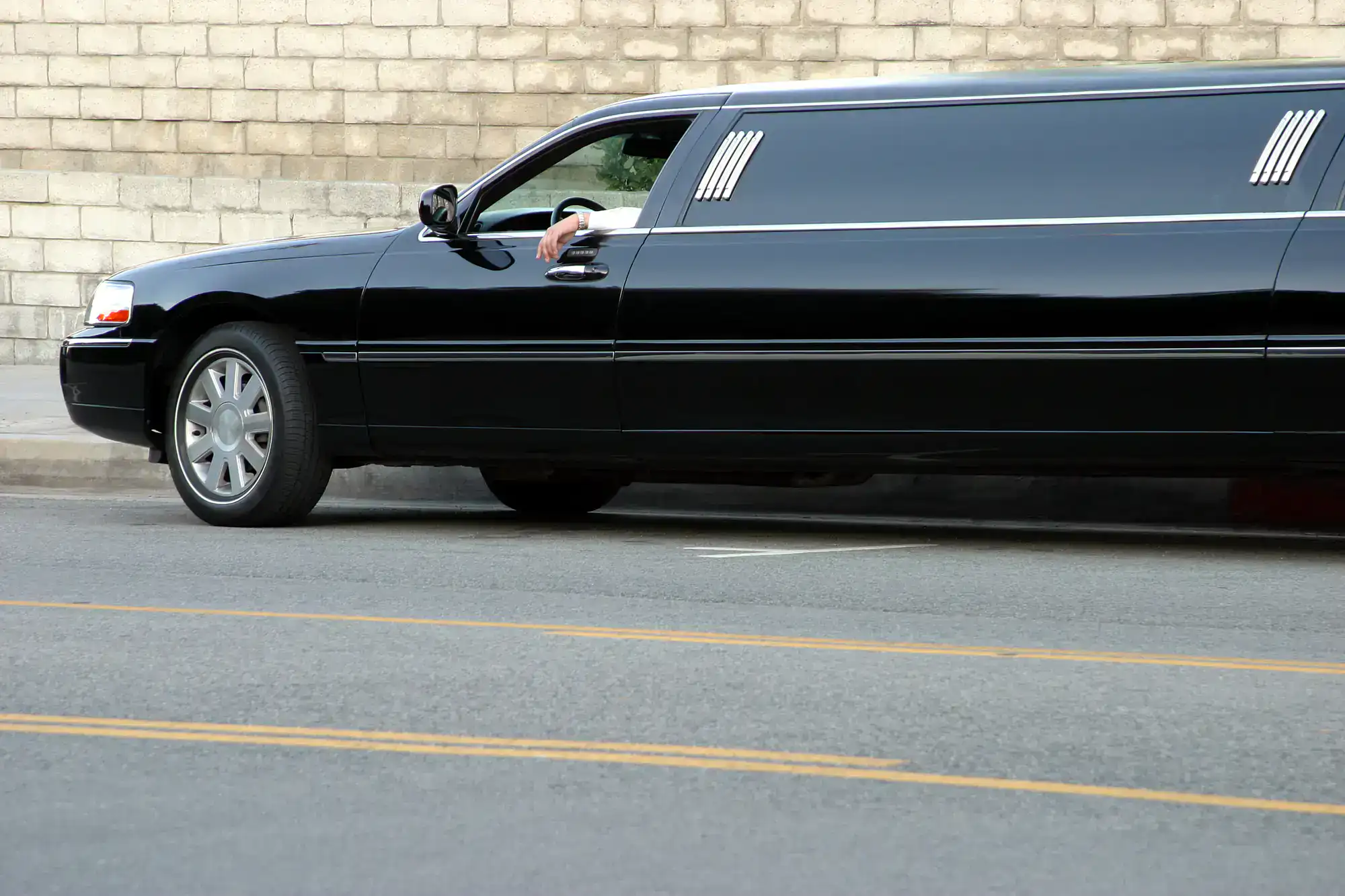
Planning summer corporate events in Nassau County? Learn how professional transportation coordination eliminates logistics stress while ensuring executives and teams arrive on time, every time.
Share:

Summary:
You’ve planned the perfect summer corporate event. The venue’s booked, the agenda’s set, and your keynote speaker confirmed. Then reality hits: How do you get 40 executives from three different hotels to a 9 AM start time without anyone arriving late?
Summer corporate events bring unique transportation challenges. Weather variables, vacation schedules, and packed conference calendars create coordination complexity that can derail even the best-planned gatherings. Professional corporate transportation removes that uncertainty. You get reliable service that handles the details while you focus on what matters—running a successful event that achieves your business objectives.
Summer conference season in Nassau County means tight schedules, high expectations, and zero room for transportation failures. When your CFO needs to make a 7 AM flight after your evening gala, or your sales team requires coordinated arrival for a client presentation, the logistics get complicated fast.
Professional corporate transportation handles these scenarios daily. You’re working with teams who understand that “on time” means 15 minutes early, not pulling up as the meeting starts. We know the difference between dropping executives at a hotel entrance versus a private event space. These details matter when you’re managing corporate reputation.
The summer factor adds another layer. Traffic patterns shift with vacation travel. Construction projects pop up on major routes. Outdoor venues mean navigating areas without clear drop-off zones. A transportation provider with local Nassau County knowledge anticipates these variables instead of discovering them when your executives are already in transit.

Here’s what most event planners discover too late: coordinating transportation for 10+ people isn’t just booking bigger vehicles. It’s managing multiple pickup locations, staggered arrival times, and the inevitable last-minute changes that come with corporate schedules.
Start with realistic timing. If your event begins at 9 AM, your first pickup might need to happen at 7:15 AM to account for distance, traffic, and the fact that gathering a group always takes longer than planned. Professional services build these buffers into the schedule because we’ve seen what happens when you don’t.
Vehicle selection matters more than you’d think. An executive team heading to a board meeting has different needs than your sales department going to a team-building event. Sedans and SUVs work for small groups prioritizing privacy and professional image. Sprinter vans handle mid-size teams who need to arrive together. Coaches or party buses make sense for larger groups where team bonding starts during the ride.
Communication protocols prevent chaos. Your transportation provider should confirm pickup times 24 hours ahead, provide driver contact information, and offer real-time vehicle tracking. When someone’s running late or a flight gets delayed, you need immediate updates, not voicemails returned two hours later.
The best services assign a dedicated coordinator for multi-vehicle events. One person manages all the moving parts—driver assignments, route optimization, timing adjustments. You make one contact instead of juggling five different drivers when plans change.
Consider the full journey, not just the main event. Your executives need airport pickups before the conference and returns afterward. Attendees might require transportation between the hotel and venue for multi-day events. Some will want evening transportation to dinner or entertainment. Mapping the complete transportation picture upfront prevents scrambling to arrange rides mid-event.
Summer opens up outdoor venue options that create memorable corporate experiences—and transportation challenges you won’t face with hotel conference rooms. That waterfront event space or vineyard setting looks stunning in photos. Getting 50 people there on time requires different planning.
Location accessibility becomes critical. Some summer venues sit off main routes or lack clear signage. Your transportation provider needs advance site information: exact address, entrance locations, parking or drop-off areas, any access restrictions. What works for personal GPS navigation doesn’t always work for commercial vehicles or buses.
Timing flexibility matters more with outdoor events. Weather can force last-minute venue changes or schedule shifts. Your transportation service needs the capacity to adjust routes and timing without creating chaos. This means having backup plans and communication systems that work when plans change at 6 PM the night before your 8 AM event.
Consider the attendee experience during transit. Summer heat means vehicles need reliable climate control. Longer drives to scenic venues benefit from amenities like WiFi, allowing your team to stay productive or prepare for the event during travel. Comfort directly impacts how people arrive—rushed and frazzled versus relaxed and ready.
Parking limitations at popular summer venues create another variable. Many outdoor spaces have restricted vehicle access or limited drop-off areas. Professional drivers familiar with venue logistics know the optimal approach, where to stage vehicles during events, and how to coordinate efficient departures when everyone leaves simultaneously.
Multi-stop itineraries become common with summer events. Perhaps you’re hosting a progressive dinner at multiple locations, or your agenda includes both an outdoor activity and an indoor presentation space. Each additional stop multiplies coordination complexity. You need a transportation partner who can manage the choreography without constant oversight from your team.
Want live answers?
Connect with a Philadelphia Car & Limo expert for fast, friendly support.
Executive-level transportation operates under different rules. You’re not just moving people from point A to point B. You’re managing perception, protecting schedules worth thousands per hour, and ensuring nothing disrupts the mindset needed for critical business decisions.
Professional image starts before your executives enter the meeting room. Arriving in a well-maintained vehicle with a courteous, professionally dressed chauffeur sends a message about your organization’s standards. It demonstrates attention to detail and respect for the people you’re meeting. Conversely, showing up in a vehicle that’s late, poorly maintained, or driven by someone unfamiliar with corporate etiquette undermines your position before discussions begin.
Time protection becomes paramount with executive travel. These aren’t schedules with built-in flexibility. Missing a board meeting or investor presentation because of transportation issues isn’t an option. Professional executive transportation includes flight tracking for airport pickups, real-time traffic monitoring, and drivers who know alternative routes when the main highway becomes a parking lot.

Executive transportation means different things to different providers. Understanding what separates premium service from standard car service helps you make better decisions for high-stakes business travel.
Vehicle quality and maintenance set the foundation. You’re looking at late-model luxury sedans and SUVs, not just “nice cars.” Interiors stay immaculate. Climate control works perfectly. There’s no mystery smell or concerning engine noise. These vehicles represent your company, and they should look and perform accordingly.
Chauffeur training goes beyond driving skills. Professional executive drivers understand corporate etiquette. They know when conversation is welcome and when silence is preferred. They handle luggage properly, open doors without being asked, and maintain discretion about any business discussions they overhear. They’re dressed professionally and arrive early, not on time.
Privacy and security matter for executive travel. Conversations happening in vehicles often involve confidential business information. Professional services ensure drivers understand confidentiality expectations. Vehicles provide a secure environment for phone calls and document review without concern about information leaking.
Flexibility handles the reality of executive schedules. Meetings run long. Flights get delayed. Priorities shift. Your transportation service needs the capacity to adjust without drama. This means drivers who can extend their time, dispatchers who can reroute vehicles, and systems that accommodate changes without requiring three requests and a supervisor approval.
Technology integration supports modern business needs. Real-time vehicle tracking lets you know exactly when your executive will arrive. Mobile apps provide instant confirmation and trip details. Automated flight monitoring adjusts airport pickup times without requiring anyone to make calls when departures change.
The billing and reporting process should match corporate standards. You need detailed receipts for expense tracking, consolidated invoicing for multiple trips, and the ability to set up corporate accounts with approved billing terms. Administrative simplicity matters when you’re managing transportation for multiple executives across numerous events.
Corporate events often involve attendees flying in from multiple locations. Airport transfer coordination can become a logistical nightmare or a smooth operation—the difference comes down to planning and provider capability.
Start by collecting detailed flight information early. You need airline, flight number, arrival time, and terminal for every attendee requiring pickup. This information feeds into the scheduling system that determines vehicle assignments and timing. Waiting until two days before the event to gather this data creates unnecessary stress and increases error probability.
Flight tracking technology eliminates the guessing game. Professional services monitor flights in real-time and automatically adjust pickup times when departures delay or arrive early. Your attendees aren’t waiting 45 minutes because their flight landed ahead of schedule. Drivers aren’t circling the airport because a delay pushed arrival back two hours.
Communication protocols matter enormously with airport pickups. Attendees should receive driver contact information before they land. Drivers should have passenger details and know exactly where to meet. Clear signage or identification methods prevent the awkward “are you my driver?” conversations in crowded terminals.
Consider the arrival experience you’re creating. After a long flight, your executives or VIP guests encounter either chaos and confusion or a smooth, professional greeting. A chauffeur waiting with a name sign at the designated meeting point, ready to handle luggage and provide a comfortable ride to the hotel, sets a positive tone for the entire event.
Group arrivals require extra coordination. When 15 people land within a 90-minute window, you need enough vehicles staged and a system for managing the queue. Some people always take longer at baggage claim. Some flights arrive at different terminals. Your transportation provider should have experience orchestrating these scenarios without making early arrivals wait endlessly for stragglers.
Return transportation deserves equal attention. Departure schedules often spread across a full day or multiple days. You need a system that handles early morning flights, mid-day departures, and evening returns without requiring constant coordination. Pre-scheduled pickups with confirmation reminders keep everything running smoothly.
Summer corporate events succeed when every element works together seamlessly. Transportation might not be the most glamorous part of event planning, but it’s often the difference between smooth execution and constant firefighting.
The right corporate travel transportation partner brings more than vehicles and drivers. You gain local expertise, logistical coordination, and the peace of mind that comes from working with professionals who understand what’s at stake. Your executives arrive on time, your attendees experience seamless transitions, and you avoid the reputation damage that comes from transportation failures.
Professional service costs more than the cheapest option. It should. You’re paying for reliability, experience, and the systems that prevent problems instead of just reacting to them. When you’re investing thousands in a corporate event, transportation isn’t the place to cut corners and hope for the best.
We provide the tri-state coverage, professional chauffeurs, and diverse fleet options that corporate events demand. Whether you’re coordinating a small executive meeting or a multi-day conference with hundreds of attendees, experienced transportation management removes the logistics stress from your plate.
Article details:
Share:
Continue learning: