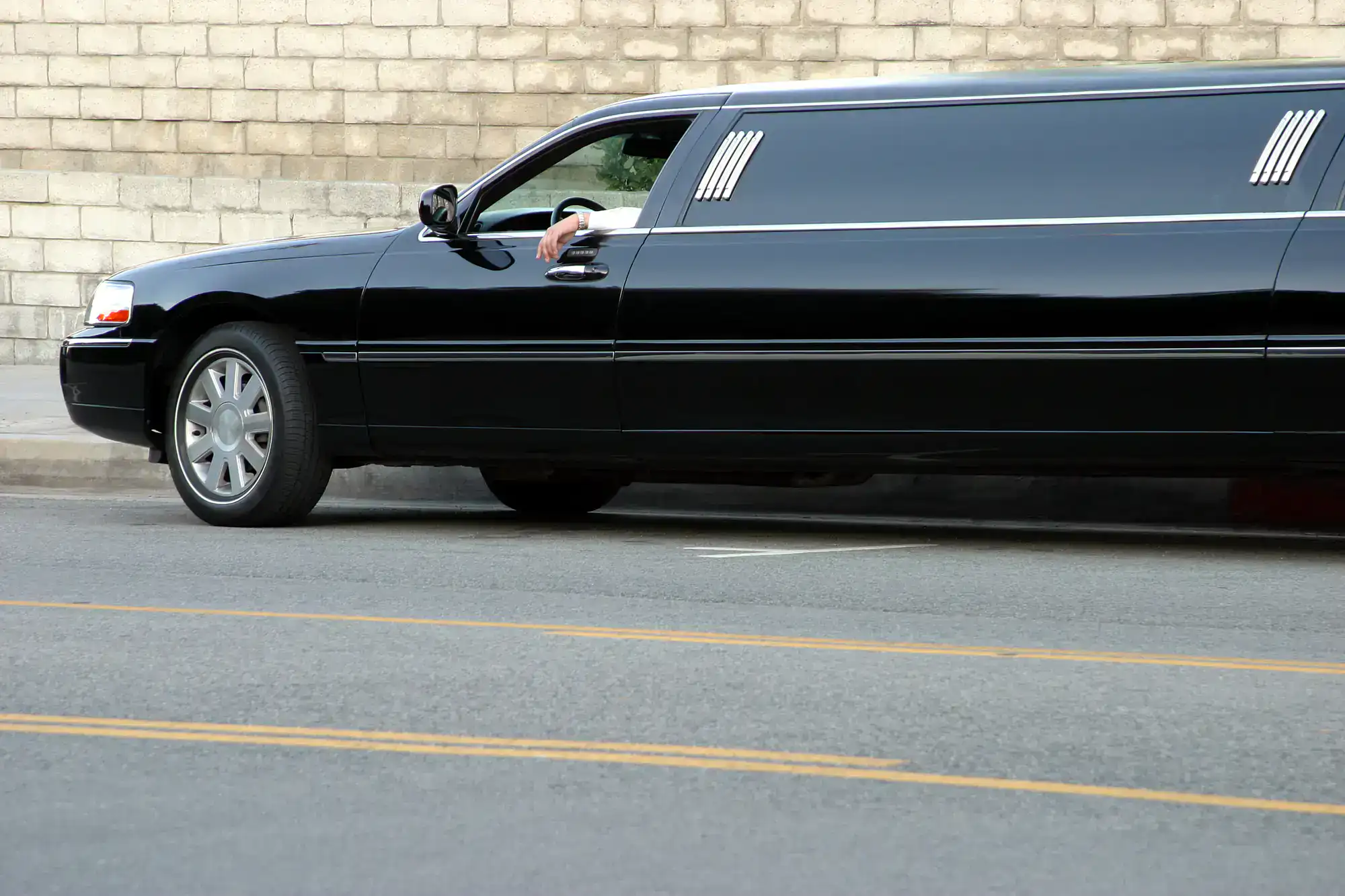
High-growth startups are discovering that corporate transportation isn't an expense—it's a productivity multiplier that turns travel time into work time.
Share:

Summary:
Your engineering lead just landed at Philadelphia International for a 9 AM pitch. Your CEO is bouncing between three investor meetings across University City. Your sales team is coordinating a multi-city roadshow that could make or break Q2.
Here’s the thing nobody tells you about scaling a startup: the logistics can kill your momentum faster than a bad product-market fit. When you’re moving fast, corporate transportation isn’t about luxury. It’s about protecting the time, focus, and energy your team needs to execute.
What actually works when your calendar looks like controlled chaos and every meeting matters?
Corporate transportation for startups looks nothing like the traditional car service your grandfather’s company used. You’re not just booking rides. You’re building infrastructure that keeps your team productive when they’re between meetings, between cities, or between the moments that define your company’s trajectory.
The difference shows up in how you use the time. A regular rideshare gets you from point A to point B. Executive transportation turns that 45-minute drive into a mobile office where your team can prep presentations, take confidential calls, or actually think without interruption.
Philadelphia’s tech ecosystem spans from Rittenhouse Square to University City, with constant movement between offices, client sites, and airports. When you’re operating in this environment, transportation becomes part of your operational stack—not an afterthought.

The average business trip costs between $1,200 and $2,900 per traveler in 2026. That’s not just the price of getting there. It’s an investment in face-to-face meetings that video calls can’t replace.
But here’s where most companies leave money on the table: they treat travel time like dead time. Your executive sits in traffic, scrolling through emails on a phone, unable to do real work. That 45-minute drive to the airport? Wasted. The hour between meetings downtown? Lost.
Mobile office amenities change this equation completely. We’re talking about vehicles equipped with reliable Wi-Fi, power outlets at every seat, and enough space to actually open a laptop and work. Privacy partitions for confidential calls. Conference-style seating when your team needs to collaborate between stops.
Think about what this means for a roadshow day. Your team hits four investor meetings across Philadelphia, PA. Between each stop, they’re not just sitting in traffic—they’re debriefing the last meeting, prepping for the next one, updating the deck based on feedback. The vehicle becomes an extension of your office, moving with you throughout the day.
The productivity impact isn’t theoretical. Studies show that 79% of business travelers say their job performance is directly impacted by the quality of their travel experience. When your team can work effectively while traveling, those in-between hours stop being wasted and start contributing to your bottom line.
For startups especially, this matters. You don’t have the luxury of losing half a day to logistics. When your engineering lead is flying in for a crucial technical discussion, you need them arriving prepared and focused—not frazzled from fighting traffic or scrambling to find the presentation they couldn’t pull up on their phone.
If you’ve ever tried to coordinate a multi-stop roadshow using consumer apps, you know the pain. Your CEO is running 10 minutes late from the first meeting. The second meeting just moved locations. Your CFO’s flight got delayed, and now the whole afternoon schedule is collapsing.
Professional roadshows demand a different level of coordination. You need chauffeurs who know that a meeting at the Cira Centre requires different timing than one at the Pennovation Center. Drivers who track flight delays in real time and adjust pickup times before you even know there’s a problem. Dispatchers who can reroute on the fly when your executive’s 30-minute meeting turns into an hour-long negotiation.
This is where dedicated roadshow coordination separates the pros from the amateurs. You’re not just booking individual rides. You’re working with a team that understands multi-city itineraries, knows the local business districts, and has backup plans for the inevitable changes that happen when you’re moving fast.
The best corporate transportation providers maintain dedicated roadshow desks—teams specifically trained to handle the complexity of full-day, multi-stop schedules. They know which routes to avoid during rush hour. They understand that when you’re pitching investors, arriving frazzled and 15 minutes late isn’t an option.
For startups running fundraising roadshows, this becomes critical infrastructure. You’re already under pressure. The last thing you need is transportation logistics adding to your stress. When your roadshow coordinator is proactively managing every detail—from route planning to last-minute adjustments—you can focus on the pitch instead of worrying about whether your car will show up.
The ROI is clear. Small and mid-sized organizations report up to 10-12x return from strategic business trips. But that return assumes you actually make it to the meetings on time, prepared, and ready to perform. Professional roadshow coordination is what makes that possible.
Think about the alternative. Your team shows up late, stressed, unprepared because they spent the drive frantically trying to coordinate the next leg of the trip. That’s not how you close deals or raise capital. That’s how you waste the investment you’re making in face-to-face meetings.
Want live answers?
Connect with a Philadelphia Car & Limo expert for fast, friendly support.
Here’s what 82% of companies figured out: allowing chauffeur services for executive transportation isn’t a perk—it’s a strategic decision that improves reliability, productivity, and overall travel efficiency.
The math is straightforward. Your executive’s time is valuable. When they’re fighting traffic, hunting for parking, or dealing with the logistics of getting around an unfamiliar city, they’re not doing the work only they can do. Executive travel management is about reclaiming that time and redirecting it toward activities that actually move your business forward.
This becomes especially important for startups operating in Philadelphia, PA’s tech ecosystem. With over 235,000 tech positions and a $92 billion valuation, there’s constant movement between offices, client sites, and airports. The companies that scale efficiently are the ones that treat transportation as infrastructure, not an afterthought.

Momentum is everything in a startup. You’re moving fast, making decisions quickly, and trying to stay ahead of competitors who are just as hungry. Losing half a day to travel logistics isn’t just inconvenient—it can actually slow your growth.
This is where executive transportation becomes a competitive advantage. When your leadership team can move between meetings without losing productivity, you maintain the pace that high-growth requires. Your CEO preps for the next pitch during the drive. Your CTO reviews code while heading to a technical discussion. Your sales lead coordinates with the team between client meetings.
The shift toward corporate transportation as a business productivity tool reflects a broader change in how companies think about travel. It’s no longer about returning to old ways—it’s about strategic and purposeful connection in a hybrid world. Face-to-face meetings still matter. They close deals, build relationships, and solve problems that video calls can’t touch.
But the companies winning in 2026 are the ones that maximize every minute around those meetings. They’re not wasting time on logistics. They’re using professional transportation to create environments where work happens seamlessly, whether you’re in the office or moving between appointments.
For Philadelphia, PA startups, this often means working with transportation providers who understand the local landscape. Drivers who know that University City traffic is different from Center City congestion. Chauffeurs who understand that when you’re heading to a meeting at Comcast Center or the Navy Yard, timing and route selection matter.
The productivity gains compound over time. One executive, one trip, the difference might seem small. But multiply that across your leadership team, across every roadshow, every client visit, every investor meeting—and suddenly you’re talking about hundreds of hours reclaimed annually. Hours your team can spend on strategy, product development, or the next big initiative.
This is why corporate transportation has evolved from a luxury to a strategic business tool. It’s not about comfort, though that matters. It’s about creating the conditions for your team to do their best work, regardless of where they are or where they’re going.
Philadelphia, PA has established itself as a hub for business conferences and corporate events. The city has everything needed to accommodate events from mega-conferences to intimate executive gatherings. One key component that makes this possible is the transportation infrastructure supporting these events.
When you’re hosting or attending Philadelphia corporate events, transportation coordination becomes a critical piece of the experience. You’re moving groups between hotels, conference venues, and evening events. You need vehicles that can handle everything from individual executives to entire teams traveling together.
The infrastructure for Philadelphia corporate events has evolved significantly. We offer everything from executive sedans for individual VIPs to Sprinter vans that seat up to 14 passengers with mobile office amenities. For larger groups, we have options for charter buses that handle 20-50+ attendees while maintaining the professional standards your event requires.
What makes this infrastructure valuable for startups is the flexibility. You might need a single executive SUV for your CEO’s airport transfer, then a larger vehicle for your whole team to attend a networking event that evening. We scale with your needs, handling the logistics so you can focus on making the event successful.
Location-specific knowledge matters here too. Philadelphia’s corporate event venues span from the Pennsylvania Convention Center to the Franklin Institute to hotels throughout Center City and University City. Our professional chauffeurs know these venues, understand the traffic patterns around major events, and can navigate the logistics that trip up visitors unfamiliar with the city.
For startups participating in or hosting events, this becomes part of your event strategy. You’re not just thinking about the content of your presentation or the quality of your booth. You’re ensuring that your team arrives on time, prepared, and professional. That your clients or partners have a seamless experience from airport to hotel to event venue.
The corporate events landscape in Philadelphia, PA continues to grow, with the city hosting everything from tech conferences to investor summits to industry-specific gatherings. The startups that make the most of these opportunities are the ones that treat transportation as a strategic element of their event presence, not an administrative detail to figure out at the last minute.
The startups that scale successfully are the ones that build infrastructure for growth before they desperately need it. Corporate transportation falls into that category. It’s not about waiting until your team is drowning in logistics chaos. It’s about recognizing that how your team moves directly impacts how effectively they work.
Global business travel spending is projected to hit $1.69 trillion in 2026. Companies are investing in face-to-face meetings because they deliver results that virtual communication can’t match. But the ROI from those meetings depends entirely on execution—showing up on time, prepared, focused, and ready to perform.
When you’re ready to treat transportation as the strategic tool it is, we provide the infrastructure that high-growth companies need. From mobile office amenities to dedicated roadshow coordination to local expertise that keeps your team moving efficiently through Philadelphia’s business landscape, we become an extension of your operational capabilities—not just a vendor you call when you need a ride.
Article details:
Share:
Continue learning: