Choosing a limousine isn't just about luxury—it's about safety. Discover why the difference between factory-built and modified vehicles could protect you and your loved ones.
Share:
Summary:
You’re planning something special. A wedding. A milestone birthday. Prom night. Whatever the occasion, you want to do it right—arrive in style, celebrate safely, and create memories that last. So you start looking into limousine options, and that’s when the questions start piling up. How do you know if the vehicle is actually safe? What’s the difference between one limo company and another? And why do some prices seem too good to be true? Here’s what most people don’t realize until it’s too late: not all limousines are created equal. Some are factory-built with safety as a priority. Others are modified aftermarket conversions that might look impressive but lack critical safety features. The difference matters more than you think, especially when you’re trusting a company with the people you care about most.
Factory-built limousines are designed and manufactured as complete vehicles from the ground up. They’re engineered to meet Federal Motor Vehicle Safety Standards before they ever leave the production facility. Every component—from the frame to the braking system to the safety features—is tested and certified.
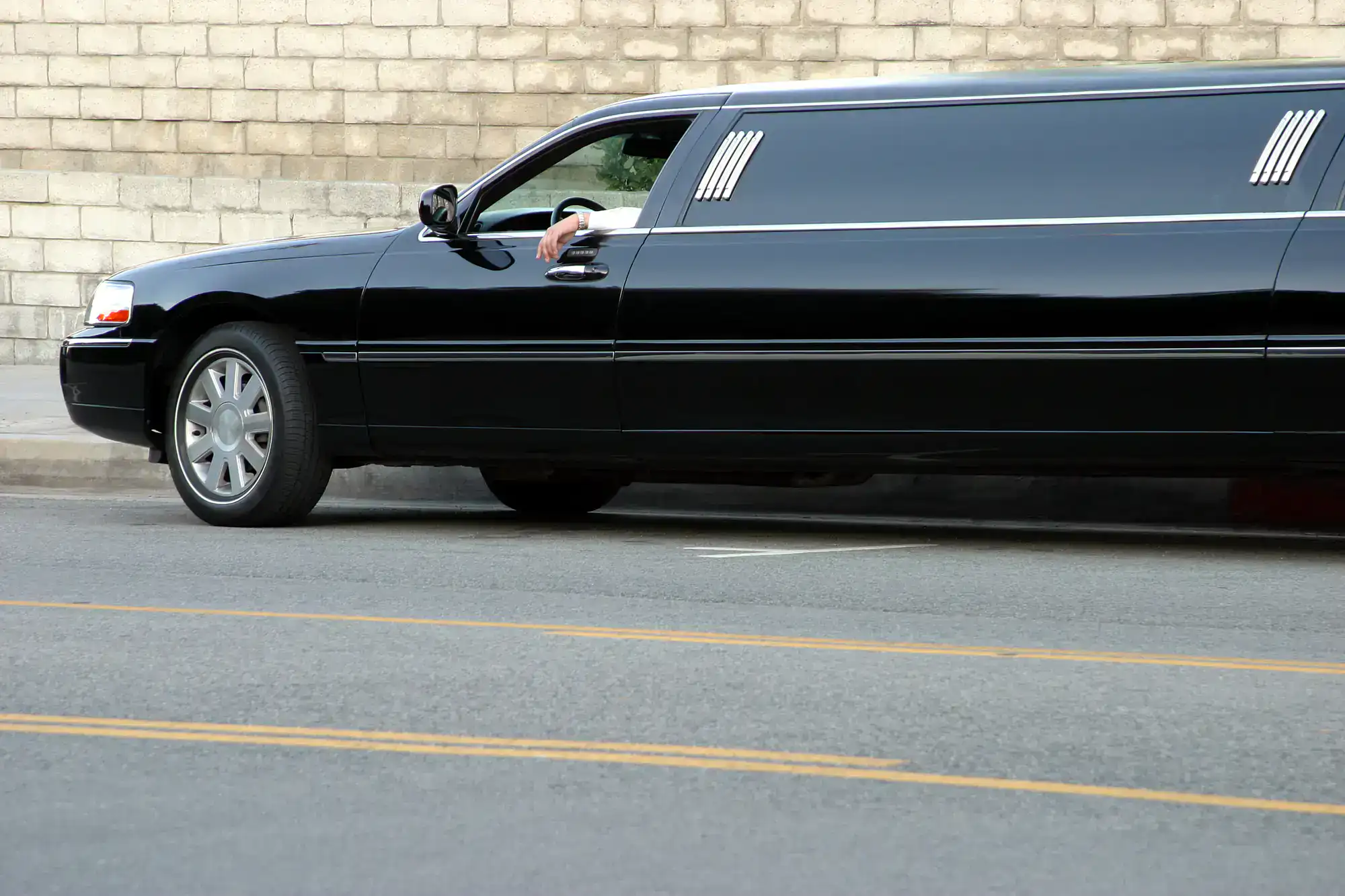
Modified stretch limousines start as regular sedans or SUVs. They’re then cut in half, extended with metal plates, and reassembled to create that signature long body. The problem is what happens during that process.
When a vehicle is stretched, the pillars that normally create a protective cage around passengers are often removed or weakened. Side-impact airbags may be eliminated. Seat belts might not be installed at every seating position. The structural integrity that kept you safe in the original vehicle gets compromised—sometimes significantly.

The modification process involves literally sawing a vehicle in two. Technicians cut through the chassis, then insert extension sections to lengthen the wheelbase. New flooring and roofing panels are added to bridge the gap. The entire interior is reconfigured, often with side-facing bench seating instead of forward-facing seats with proper restraints.
Here’s where it gets concerning. These modifications are performed by aftermarket companies that aren’t required to conduct crash testing. There’s no federal mandate to prove the extended vehicle can protect passengers in a collision. The engineering that went into the original factory vehicle—the crumple zones, the reinforced frame, the carefully calibrated safety systems—all of that gets altered without the same level of oversight.
Some reputable coach builders follow programs like QVM (Qualified Vehicle Masters) or CMC (Cadillac Master Coach-builder) standards. They reinforce frames, upgrade braking systems, and install proper safety equipment. But many don’t. And from the outside, you can’t always tell the difference.
The vehicles that should never have passed inspection sometimes slip through anyway. The 2018 Schoharie crash in New York—which killed 20 people and became the deadliest US transportation accident in nearly a decade—involved a modified Ford Excursion limousine that had failed inspection just weeks earlier. The vehicle lacked proper certification, the driver didn’t have the required commercial license, and structural deficiencies that might have been caught with proper oversight went unaddressed.
That’s an extreme example, but it highlights a real problem. Modified limousines operating without adequate safety measures put passengers at risk, often without anyone realizing it until something goes wrong.
When you step into a modified stretch limousine, you might notice the luxury touches—the bar, the mood lighting, the premium sound system. What you probably won’t notice are the safety features that aren’t there.
Side-impact airbags are rarely present in stretched sections. Rollover protection bars may be absent or inadequate. Emergency exits might not be accessible, especially if you’re seated in the middle of a long vehicle. Seat belts are often missing entirely, particularly at side-facing bench seats, because modified stretch limousines are exempt from federal seatbelt laws due to their seating configuration.
The frame itself may not be adequately reinforced to handle the additional weight and length. Braking systems designed for a vehicle half the size now have to stop a much heavier, much longer limousine. Stability control systems get confused when sensors no longer match the vehicle’s actual dimensions.
Here’s what makes this particularly troubling. People who rent limousine services are often doing exactly what they should be doing—choosing a designated driver for a celebration. They’re trying to be responsible. But they have no way of knowing whether the vehicle they’re stepping into has been properly engineered, adequately maintained, or safely certified.
A grand jury investigation following a 2015 Long Island limousine crash found that stretch limousines often lack basic security measures including side-impact airbags, rollover protection bars, and accessible emergency exits. The investigation revealed that companies involved in building stretch limos often assumed “someone else” was conducting crash testing. In reality, nobody was.
That’s why asking the right questions before you book matters. You deserve to know whether the limousine you’re considering is a factory-built vehicle or a modified conversion, and if it’s modified, whether it’s been properly certified and maintained to current safety standards.
Want live answers?
Connect with a Philadelphia Car & Limo expert for fast, friendly support.
Party buses have become increasingly popular for group celebrations, bachelor and bachelorette parties, wine tours, and nights out. They offer space to move around, entertainment systems, and the ability to keep your whole group together. But the same safety concerns that apply to stretch limousines apply to party buses—and then some.
A party bus is essentially a modified commercial vehicle, often a shuttle bus or coach that’s been gutted and redesigned with luxury amenities. The question you need to ask is whether those modifications were done by a certified coach builder who maintained structural integrity and safety features, or by an operator focused primarily on aesthetics and profit.
Proper party bus companies follow strict safety protocols. Passengers should remain seated while the vehicle is in motion, even though the space allows for standing. Seat belts should be available and functional. Emergency exits must be clearly marked and accessible. And the driver should have the proper commercial license for operating a vehicle of that size and passenger capacity.

If you’re planning a celebration for a smaller group, you might be choosing between a full-size party bus and a party van. Understanding the differences helps you select the right option for your needs while maintaining safety standards.
A small party bus typically accommodates 14-20 passengers and offers amenities like LED lighting, premium sound systems, and perimeter seating. These vehicles are subject to higher insurance requirements—often $5 million in liability coverage—and require drivers with specific commercial licensing. The larger size means more entertainment space, but it also means navigating Nassau County roads and parking areas can be more challenging.
A party van, often built on a Mercedes Sprinter or similar chassis, seats 10-14 passengers comfortably. These vehicles offer many of the same luxury features in a more compact package. They’re easier to maneuver, can access tighter venues, and often come at a lower rental cost while still providing the premium experience your group wants.
Both options should meet the same safety standards: proper licensing, comprehensive insurance, background-checked drivers, and regular maintenance. The difference is primarily in capacity and amenities, not in the level of professionalism and safety you should expect.
When you’re booking a party bus for a birthday celebration or any special event, ask about the vehicle’s passenger capacity limits and make sure the company enforces them. Overloading a party bus compromises safety features like seat belts and emergency exits, and it’s a sign that the operator prioritizes profit over your well-being.
A luxury party bus should deliver both entertainment and safety without compromise. The best operators understand that premium amenities and proper safety protocols aren’t mutually exclusive—they’re both essential.
Look for party buses with forward-facing seats that include functioning seat belts, not just bench seating around the perimeter. Check that emergency exits are clearly marked and unobstructed. Verify that the sound system and entertainment features don’t interfere with the driver’s ability to communicate with passengers or respond to safety concerns.
Some luxury party buses include features like dance poles, premium bars, and elaborate lighting systems. These can enhance your celebration, but they shouldn’t come at the expense of structural integrity or safety equipment. A party bus with pole dancing features should still have proper rollover protection, reinforced framing, and all required safety certifications.
The driver plays a critical role in party bus safety. They should conduct a brief safety orientation before departure, explaining emergency exits, seat belt requirements, and rules for passenger behavior while the vehicle is in motion. Federal regulations prohibit passengers from crossing the safety line between the driver and passenger sections or distracting the driver when the bus is moving. A professional driver will enforce these rules firmly but courteously.
When you’re comparing limo rental costs in Nassau County and the tri-state area, you’ll find prices that range from reasonable to eye-watering. Understanding what drives those differences helps you evaluate whether you’re getting fair value or being overcharged.
Most limousine services charge hourly rates with minimum rental periods. Standard luxury sedans and SUVs typically cost $95-$150 per hour. Stretch limousines run $150-$250 per hour depending on length and amenities. Luxury party buses command $200-$400+ per hour based on capacity and features.
But the hourly rate is only part of the equation. The total limo rental cost includes several components that should be disclosed upfront, not added as surprises on your final bill.
Article details:
Share:
Continue learning:

