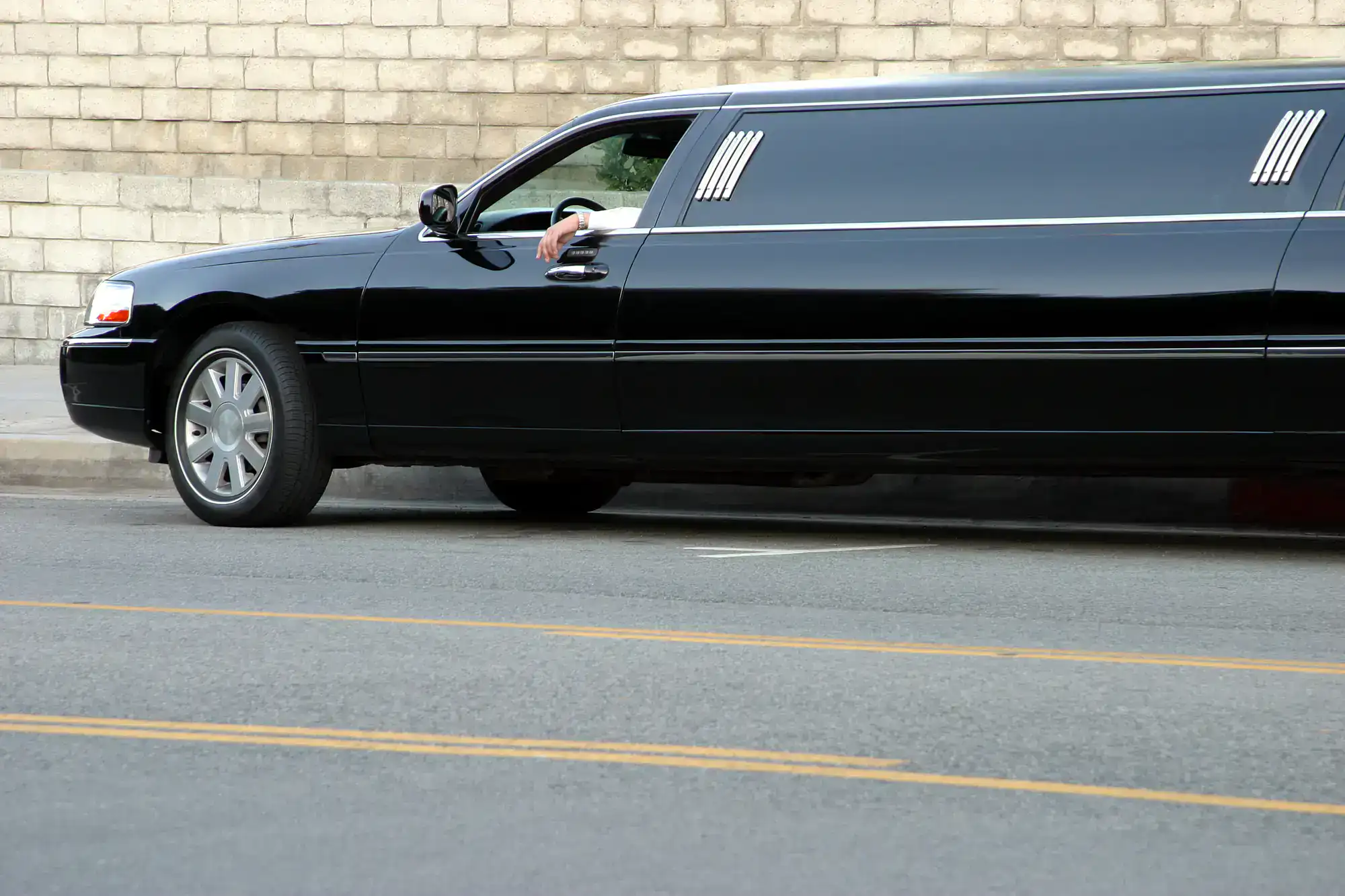
Surge pricing just turned your $40 airport ride into $160. Your driver canceled. Again. Discover what Nassau County, NY executives know about the real cost of rideshare vs black car service.
Share:

Summary:
The app shows a car three minutes away. Then five minutes. Then eight. The price jumps 2.3x because demand just spiked. You accept it anyway because your flight leaves in 75 minutes and you’re out of options.
This scenario plays out daily across Nassau County, NY. Rideshare works fine when nothing’s urgent and you’re not representing your company. Business travel operates under different rules. When you’re catching a flight to close a deal, meeting a client at JFK, or arriving at a board presentation, transportation becomes part of your professional infrastructure—not just a commodity purchase. Here’s what the actual comparison looks like when reliability and total cost matter.
The fundamental difference isn’t the vehicle—it’s the business model driving every decision. Rideshare optimizes for maximum rides per hour. We optimize for zero failures per reservation.
That shows up immediately in how you book. Rideshare matches you with whoever’s closest right now. Our executive car service assigns a specific chauffeur to your reservation hours or days in advance. They receive your flight details, your pickup location, your destination. They plan the route before you even think about leaving.
The pricing structure reveals the priority difference. Rideshare uses dynamic pricing that changes based on demand, weather, time of day, and local events you might not even know about. We quote a fixed rate. That number doesn’t change whether it’s raining, whether there’s a concert at Nassau Coliseum, or whether everyone else is trying to get to LaGuardia at the same time.
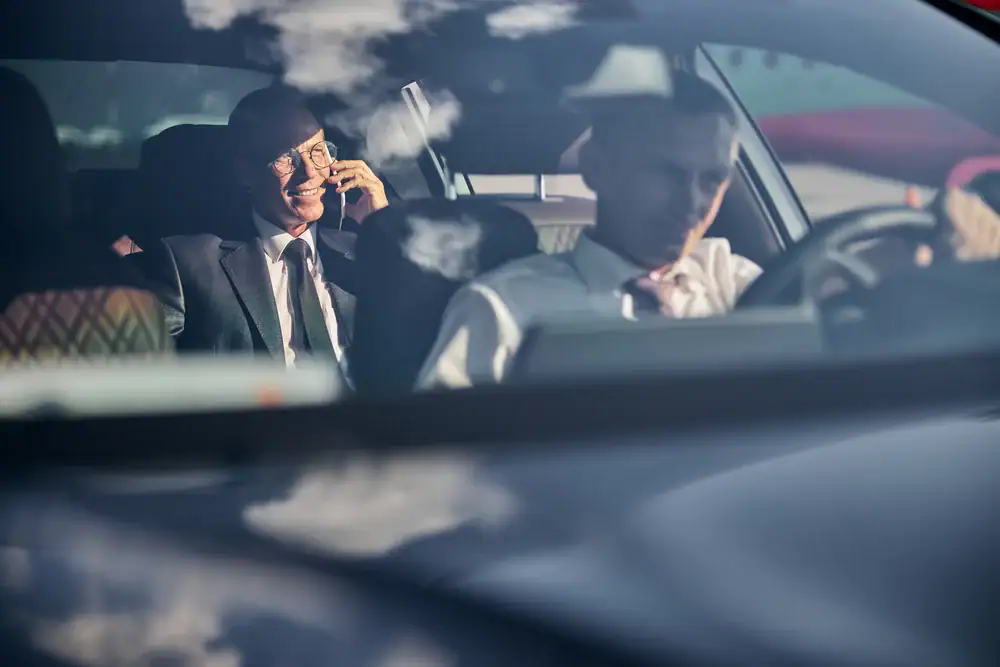
The base fare comparison makes rideshare look cheaper. A trip from Garden City to JFK might show $45 on the app versus $120 for a black car. That’s accurate until you account for what actually happens in real-world business travel.
Surge pricing turns that $45 into $90-$180 without warning. Morning rush to the airport? Surge. Weather delay at LaGuardia? Surge. Evening pickup from a Manhattan meeting? Surge. Our $120 black car rate stays $120 regardless of when you book it or what else is happening.
Cancellations create hidden costs that don’t show up in fare comparisons. When your rideshare driver cancels—and more than 10% do—you rebook at whatever the current price is. Often higher. Always stressful. You might pay surge pricing for a replacement ride you didn’t plan on needing. We maintain cancellation rates below 2%, which means this scenario rarely happens.
Wait time has a dollar value that compounds fast. The average rideshare pickup takes 8 minutes, but that’s just the average. Peak times in Nassau County stretch to 15-20 minutes regularly. For an executive whose time is worth $200+ per hour, that’s $50-70 in lost productivity per trip. Our chauffeurs arrive early and wait for you. Your wait time is zero.
Missed flights carry costs that dwarf any fare difference. A late rideshare that makes you miss your flight costs you rebooking fees, lost meeting time, damaged client relationships, and possibly a lost deal. Our 95-99% on-time performance versus rideshare’s 85-90% means you’re three times more likely to face a timing problem with the cheaper option.
Corporate account benefits change the math entirely for frequent travelers. Companies with 50+ regular trips annually save $100,000-200,000 by negotiating contracted rates with professional services. You eliminate surge pricing variance, reduce expense processing costs, and stop losing productivity to transportation failures. The per-trip cost might look higher, but the total cost of transportation drops significantly.
The real comparison isn’t rideshare versus black car service—it’s predictable, reliable transportation versus gambling on whether your ride shows up on time at a price you can afford. When the stakes involve client meetings, airport connections, or your professional reputation, that’s not actually a gamble most executives can take.
Luxury ride service isn’t about champagne and leather seats—it’s about eliminating variables that create problems during business travel. The standards exist to ensure consistency when you can’t afford surprises.
Start with the fleet age and condition. We maintain vehicles less than three years old. They’re serviced on fixed schedules regardless of mileage. The interiors get detailed between clients, not whenever the driver feels like cleaning. This isn’t vanity; it’s ensuring you can take a client call without road noise, open your laptop without worrying about stains, and arrive looking like you planned this trip instead of surviving it.
Chauffeur presentation matters more in business contexts than people admit. A professional driver in a dark suit, waiting at baggage claim with your name on a sign, communicates planning and attention to detail. That reflects on you when you’re picking up a client. Compare that to texting back and forth trying to find your rideshare in the cell phone lot while your client waits curbside with luggage.
Vehicle amenities exist to support productivity, not comfort. WiFi that actually works. Climate control you can adjust. Privacy glass. Enough legroom to review documents or take a video call. Phone charging that doesn’t require you to bring your own cable. These features let you use travel time as work time instead of dead time.
The communication infrastructure separates our service from app-based alternatives. You receive confirmation with your chauffeur’s name, photo, license plate, and direct contact information. You get proactive updates if your flight’s delayed or traffic’s heavy. There’s a real dispatch team monitoring your trip—not an algorithm deciding whether to send you a notification.
Privacy and confidentiality become critical when you’re discussing sensitive business information en route to meetings. Our chauffeurs are trained in discretion. They don’t participate in your conversations. They don’t repeat what they hear. We formalize this with confidentiality agreements, but the culture of professionalism runs deeper than contracts.
Insurance coverage reveals how seriously a service takes its responsibility. We carry commercial liability policies of $1-2 million per vehicle. Rideshare coverage has gaps—periods where you’re not covered at all, limits that might not protect you adequately if something serious happens. For corporate travel managers evaluating duty-of-care obligations, that difference matters significantly.
The consistency is what you’re actually paying for. Same vehicle quality every time. Same service standards. Same communication protocols. Same reliability. Rideshare gives you a different experience with every trip because every driver operates independently. We remove that variability because our business model depends on delivering identical service regardless of which chauffeur is assigned.
Want live answers?
Connect with a Philadelphia Car & Limo expert for fast, friendly support.
Reliability sounds like a soft benefit until it’s 6:30 a.m., you’re standing outside with luggage, and the app just told you your driver canceled. Then it becomes the only benefit that matters.
The reliability gap between rideshare and professional car service shows up in measurable ways. On-time performance. Cancellation rates. Response time when plans change. These aren’t subjective quality measures—they’re operational metrics that determine whether you make your flight or miss your meeting.
Rideshare reliability depends entirely on variables outside your control. How many drivers are working in Nassau County right now. How many other people need rides. Whether there’s weather. Whether there’s an event. The algorithm balances supply and demand, and sometimes you’re on the wrong side of that equation.
We build reliability into the reservation. Your chauffeur is assigned when you book, not when you need to leave. They receive your details in advance. They plan the route. They track your flight. The only variable is traffic, and they account for that with buffer time and alternate routes.
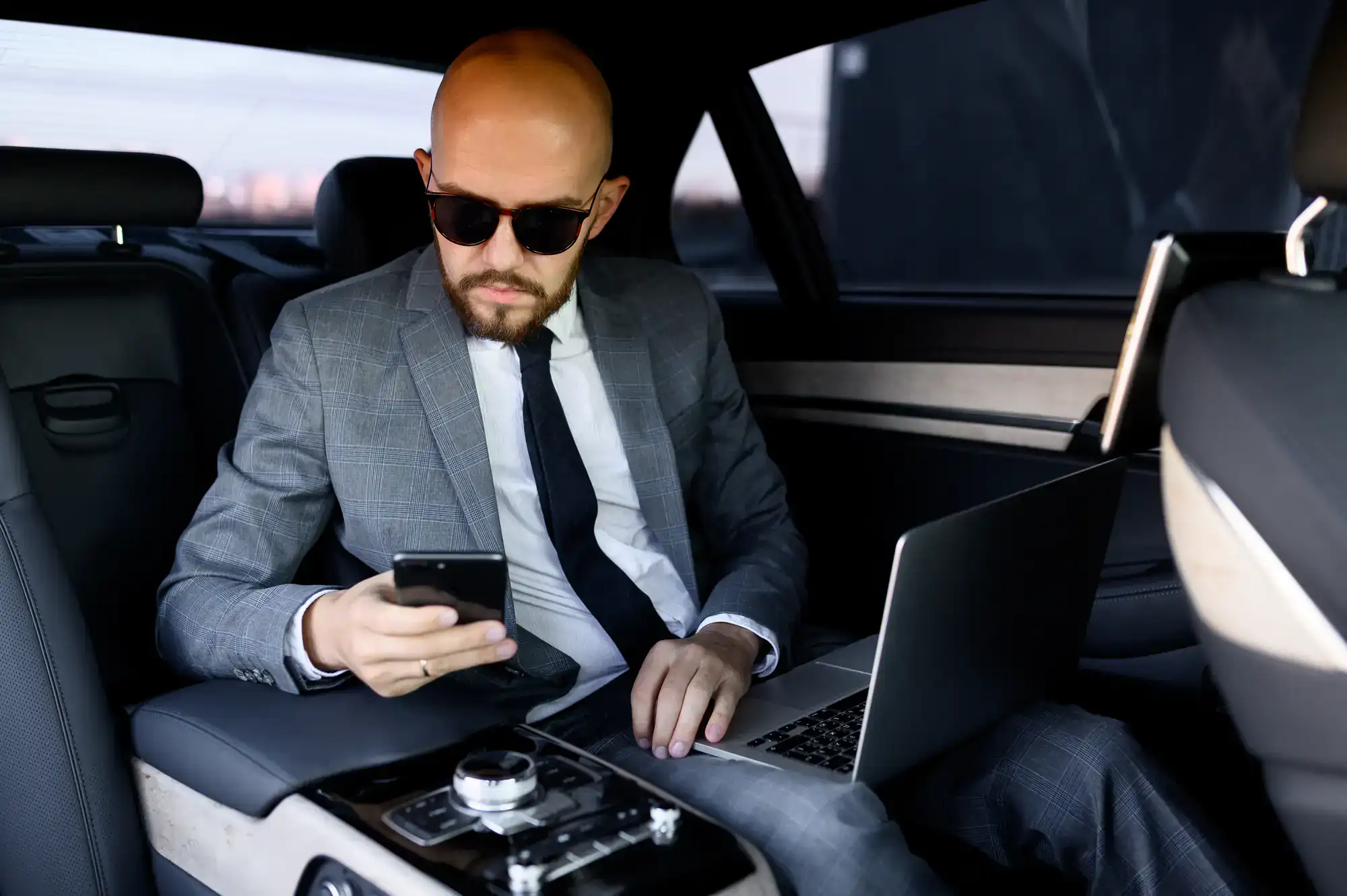
The performance data shows a gap that compounds rapidly for frequent travelers. We achieve 95-99% on-time performance. Rideshare sits at 85-90%. That 10-15 percentage point difference means one out of every seven to ten trips creates a timing problem.
Cancellation rates tell an even more dramatic story. We keep cancellations below 2%. Rideshare cancellations regularly exceed 10%. For every ten business trips, you’re statistically likely to face at least one rideshare cancellation. With our service, you’ll probably go months without experiencing one.
Those cancellations don’t just inconvenience you—they cascade through your schedule. Miss the flight, and you’re rebooking travel, rescheduling meetings, explaining to clients why you’re not where you said you’d be. The cost isn’t the $45 fare you didn’t take; it’s the $5,000 deal you didn’t close or the client relationship you damaged by being unreliable.
Wait times reveal another hidden cost. Rideshare averages 8 minutes from request to pickup, but that average includes quick pickups in dense areas. Nassau County pickups during peak times often stretch to 15-20 minutes. For an executive whose compensation values their time at $133.80 per minute, that’s $35-45 in lost productivity just waiting for a ride. Our chauffeurs arrive early and wait for you. Your wait time is effectively zero.
Flight delays expose the operational difference most clearly. With rideshare, you land, open the app, and hope someone’s available at a price you’re willing to pay. If demand is high or drivers are scarce, you’re stuck negotiating with surge pricing or waiting. We monitor your flight automatically. Your chauffeur adjusts pickup timing without you doing anything. You walk out of baggage claim, and your ride is waiting exactly where it should be.
Weather creates the ultimate reliability test. When it rains or snows in Nassau County, rideshare prices spike 2-4x and availability drops as drivers decide whether it’s worth working. We don’t surge price based on weather. Your reservation stands regardless of conditions. That reliability matters most precisely when conditions make transportation most difficult.
The typical 8-minute rideshare wait costs a company with highly compensated executives approximately $1,100 in lost productivity. That’s before accounting for the actual business consequences of arriving late to something that matters—missed connections, rescheduled meetings, damaged professional relationships.
For business travelers who can’t afford to gamble on whether transportation works, these numbers aren’t statistics. They’re the difference between a system you can depend on and a system you’re hoping doesn’t fail at the worst possible moment.
The person driving you to your meeting or the airport determines whether the trip goes smoothly or creates problems. Rideshare drivers need a valid license, a qualifying vehicle, and a background check that clears basic thresholds. That’s the entire requirement. No training. No ongoing evaluation. No accountability beyond star ratings that most passengers never leave.
Our chauffeurs go through comprehensive vetting before they ever pick up a client. Background checks that include full criminal history review. Driving record analysis going back years. Drug testing. Reference verification. These aren’t one-time boxes to check—they’re ongoing requirements. Something changes in a chauffeur’s record, and they’re no longer eligible to work.
The training difference shows up in how they handle the job. Our chauffeurs complete defensive driving courses. Customer service training. Route planning and navigation. Emergency response procedures. They learn how to manage executive transportation specifically—not just how to follow GPS directions from point A to point B.
That training becomes visible in how they drive. They know the routes between Nassau County and major airports without relying on navigation. They anticipate traffic patterns based on time of day and events. They have backup routes ready before you need them. They’re not checking their phone for the next fare or trying to optimize their own earnings. Their singular focus is getting you where you need to be, safely and on time.
Presentation standards matter more in business contexts than casual travel. Our chauffeurs dress in business attire. They arrive early. They understand the difference between executive transportation and a casual pickup. When you’re bringing a client from JFK to your office or heading to a board meeting, that presentation becomes part of your professional image whether you think about it consciously or not.
Discretion separates our chauffeurs from casual drivers in meaningful ways. They’re trained to understand they’re not part of your conversation. They don’t offer opinions on your calls. They don’t repeat what they overhear. We formalize this with signed confidentiality agreements, but the culture of professional discretion runs deeper than paperwork. You can discuss sensitive business information, take calls about personnel changes, or review confidential documents without wondering if your driver is paying attention.
Vehicle knowledge creates another practical difference. Our chauffeurs know every feature of the vehicles they drive. Climate control not working right? They fix it immediately. WiFi connection drops? They troubleshoot it. Seat adjustment stuck? They know how to resolve it. Rideshare drivers often don’t know their own vehicle’s features because they might be driving a different car next week.
The accountability structure matters for service quality. We employ or contract chauffeurs through established relationships. Performance gets tracked. Standards get enforced. Problems get addressed immediately. Rideshare drivers are independent contractors with minimal oversight. Poor service might generate a bad rating. For our chauffeurs, poor service means they don’t work tomorrow.
This isn’t about credentials for the sake of credentials. It’s about whether the person responsible for getting you to your critical meeting has been vetted, trained, and held accountable to standards that match the importance of what you’re trying to accomplish.
The comparison between black car service and rideshare comes down to what you’re actually purchasing. Rideshare sells convenience and low base fares. We sell reliability and predictable outcomes. Both move you from one location to another, but the experience and business impact differ significantly.
For casual trips where timing is flexible, image doesn’t matter, and you can absorb the occasional cancellation or delay, rideshare works fine. For business travel where punctuality affects your schedule, professionalism affects your reputation, and transportation failure creates cascading problems, our professional car service makes sense. The apparent price difference shrinks when you account for surge pricing, cancellations, wait times, and the actual cost of being late to something important.
Nassau County, NY business travelers who prioritize reliability, professional presentation, and productive use of travel time consistently choose professional transportation. The performance data supports that choice—95-99% on-time performance, sub-2% cancellation rates, fixed transparent pricing, and service standards designed specifically for business requirements rather than casual rides.
If you’re ready to experience what reliable, professional transportation means for your business travel in Nassau County, NY, Philadelphia Car & Limo delivers the consistency and service quality that executives depend on when transportation can’t be left to chance.
Article details:
Share:
Continue learning: